جایدر : گمشدهاي در تاريخ لرستان (بخشي از تاريخ پلدختر لرستان)
مدتهاست اين سؤال ذهن مرا مشغول نموده كه من بازماندهي چه كساني هستم؟! آنها كجا زندگي میكردند؟ شغلشان چه بود؟ بر آنها چهها رفته؟ و صدها پرسش ديگر كه ممكن است برای شما نيز پيش آمده باشد...
اتومبيل در جادهی انديمشك به خرمآباد در حال حركت است و به حدود پلدختر (جایدر) میرسد. با عجله و كنجكاوی از مناظر اطراف جاده ديدن ميكنم. افسوس كه اين سفر، با هدف اين مقصد نيست و ناگزيرم از نگاهی گذرا و سطحی به دشت جايدر!
براي لحظاتی از خودرو بیرون میآیم تا بر امواج تاريخ سوار شوم. حس عجيبي در وجودم شعله میكشد! اجداد من چند قرن پيش اين خاك را كه روزی شهری با عظمت بوده را ترك كردهاند. دليل مهاجرتشان چه بود؟!
آنها که اينك از شهر تاريخی جايدر اثری ميجويند، حالا با تلی خاك مواجه و از ساختمانهای باشكوه و مردمانش، ديگر اثری نيست. من كه روزگاری پدران پدرانم، در اين مكان هر صبح را به شب ميرساندند، حال بر كنار ميراث بر خاك نشستهی آنها، دست عبرت به هم میسايم!
برابرم بقایایی از تاریخ گمشدهی لرستان قرار دارد. تاریخ مردمی دور که شايد قدمت تمدنشان سنخیتی با برخی از تمدنهای امروزي ندارد. اینجا گوهری است گمشده در اوراق تاریخ که شاید کمتر کسی از وجودش خبری داشته باشد! میراثی که زخمهای ناسور دلش به دلیل مهجوریت، در دل کوچه پسکوچههای بر خاک نشستهاش به خاكدان فراموشی پيوسته است.
در این سرزمین کهن، میراثهای پدریمان بارها تغییر شکل دادهاند، به دفعات پیشروی کرده یا پس نشستهاند و در هر تحرك زمانه، بخش اعظمي از اين میراث نابود و فقط بخش اندكی برای آيندگان به یادگار مانده است.
جايدر كه اينك یکی از همین خردهمیراثها است، حال در دل خروارها خاك آرميده است!
این جا رازی نهفت را با تو در ميان ميگذارد، سرايی که برای امنیت ساخته شده بود و حالا چیزی از امنیت برایش باقی نمانده و با خاك يكسان شده است.
با خود میانديشم اگر من در زنده نگهداشتن يادی از اين خرابههای باقیمانده نكوشم، شاید چندی دیگر، برای آنها كه پس از ما در اين جهان خواهند زیست، هيچ نام و نشانی از همینها نیز نماند!
غروب شده، خورشید جايدر هم رو به افول است. در تاریکروشن هوا میتوانی خرابههايی را ببینی که به هم پیچيدهاند تا چيزی را فرياد بزنند. انگار جايدر برای همیشه، آرام و بیصدا خوابیده به اميدی كه روزي کسی به فکر بیدار شدنش باشد!
نفس عميقي میكشم و سوار خودرو ميشوم تا خاك اجدادی را به سمت خرمآباد - زادگاهی كه چند جد پدریام آنجا زاده و بالیده شدند و من نيز باید سرنوشتم را در این شهر بجویم - ترك میكنم ...
**************************
پس از واقعهای شوم که منجر به خاموشی ابدی شهر جایدر شد، عدهاي از سکنهی آن، راه عراق (عثمانی) را در پيش گرفتند. (۱) عدهای عازم خوزستان (عربستان) و در دوران قاجار، تعدادی به دامان ايل حسنوند كه هر ساله فصل پائيز و زمستان را در اين منطقهي خوش آب و هواي لرستان ميگذراندند پناه بردند. (۲)
در آن دوران كه كوچ به خرمآباد سرسبز از مناطق پشتكوه و بالاگريوه رونق گرفته بود، (۳) اجداد من نيز به اتفاق جمعی ديگر، بار سفر بستند و از این منطقه هجرت نمودند تا دست تقدير آنان را به منزلی نوين، زيبا و باستاني به نام خرمآباد رهنمون سازد.
البته بعدها نیز مهاجرتها تداوم یافت شماری از سکنه این منطقه راهی نقاط دیگر مثل کرمانشاه و پُشتکوه (ایلام) شدند.
با نگاهي كاووشگر به دنبال خرابههاي شهر قديمي جايدر ميگردم، چه بسا همان خايدر يا خايدالو مطابق با متون و كتيبههای آشوري باشد كه در گذر ايام تغيير نام داده است. شايد یكي از دلايل نامگذاری اين منطقه همين باشد.
البته ممكن است اين نام برگرفته از دو كلمهی جای و درب به عنوان محلي كه درب ورود منطقهاي محسوب ميشده، باشد. اين محل ميتواند دروازهي ورود به لرستان، عربستان (خوزستان)، صيمره و پشتکوه باشد.
در گویش لری به این منطقه جایَر (jayar) گفته ميشود.
به گويش بختياري، جيدر که شبیه جایدر است به معنای مرغ و چمن آمده است و با توصيف برخي سياحان و جهانگرادان از آب و هواي خوش جايدر در اعصار گذشته، مطابقت دارد.
جایدر را به مفهوم جادار، يعني سرزمين وسيع و گسترده بوده و به نوعي ميتوان آن را دشت نيز معنا كرد. (تبار هخامنش، ديار بالاگريوه، مرادحسين پاپی، جلد اول، افلاك، ص ۱۰۱)
«ابن حوقل» سياح و جهانگرد عرب، هزاراهای پيش، در سفرنامهاش از این منطقه با عنوان «جامده» ياد نموده است. (سفرنامه ابن حوقل، ص ۱۲۰)
جايدر مدتی پيش از ويرانی کامل، مأمن ميرنوروز شاعر نامدار لرستاني بود. وی از بازماندگان شاهورديخان آخرين اتابك لر كوچك بوده است. مير نيز مدتي قبل از ويراني و زوال این منطقه، جایدر را در پی وصال معشوق رها كرده و به دنبال سرنوشت خويش به دهلران میرود و به لُری میسرايد:
ميرنوروز اَر تو را عقلی دِ سر هی
جايدر جای تو نی، جای دگر هی
(دیوان میرنوروز، به كوشش: اسفنديار غضنفريامرايی، خرمآباد: چاپخانه دانش ۱۳۴۷، ص ۶۵)
ميرزا محمدمهدی اَسترآبادی منشي نادرشاه افشار، ذكر وقايع سنه ۱۱۴۳ قمري برابر با سال ۱۱۱۰ خورشيدی را در كتاب «جهانگشای نادری» چنين آورده است:
... [قوای نادر] در عرض راه از ايلات كهگيلويه و الوار بختياری و فيلي و اعراب حويزه و باقی طوايف، هر جا مفسد و مخالف بود، به تنبيه و سياست، منسوب و حكام به همگي ولايات، منصوب گشته، از راه جايدر و خرمآباد فِيلی وارد بروجرد شدند. (تاريخ جهانگشای نادری، ميرزا محمدمهدي استرآبادی، دنيای كتاب، ص ۱۳۷)
استرآبادی در کتاب دیگرش یعنی «دُرهی نادری» نیز به این نکته اشاره دارد که دو سال بعد يعنی سال ۱۱۱۲ خورشیدی، محمدخان بلوچ در منزل «جايدر فيلی» بود كه شايعهی شكست نادرشاه در محاصرهی بغداد به وی رسيد و علم طغيان بر عليه نادر را برافراشت.
مكتوبات ميرزا مهدی استرآبادی و اشعار ميرنوروز كه معاصر با آخرين پادشاه صفوی زيسته، بيانگر اين نكته است كه در آن دوران نيز اين منطقه به نام جايدر معروف بوده است.
محمودميرزا قاجار (۱۲۳۸ - ۱۱۷۸ خورشيدي) پانزدهمین پسر فتحعليشاه که از سال ۱۲۰۵ تا ۱۲۰۷ حاكم لرستان بوده و اينجا به گردش و سياحت پرداخته، در سفرنامهاش تحت عنوان «مقصود جهان» وصف جايدر را چنين آورده است:
«از صدمره (صيمره) به جايدر عزيمت كردم. جايدر صحرايی است چهار فرسنگ طول و يك فرسنگ و نيم عرض [دارد]. هوايش معتدل و آبش خوب و زمينش سبزه [است]. سابقاً در اين مُلك شهری عظيم بود. گويند يكی از شعرا در حالت تصميم بيتالله از اين راه گذارش افتاد و در جايدر توقف كرد و اين قصيده گفت:
سنگ میگردد زُمرد در بهارِ جايدر
آب كشكان سَلسبيلی در كنار جايدر(۴)
محمودميرزا در اثر ديگرش به نام «عهد حُسام» با ذكر وقايع سال ۱۲۰۹خورشيدی در صفحه ۲۰ آورده است: «از منزل رامشگاهان (رومشكان) وارد جايدر شديم. صحراي جايدر در هوا و اعتدال، شهرت در لرستان بسيار دارد. دور نيست كه از اكثر جاهای لرستان بهتر باشد.»
وي در صفحه ۱۷۰ همين كتاب در خصوص زيباييهای طبيعت و آب و هواي خوش جايدر میافزايد:
«جايدر بهترين جايگاه لرستان است. به جهت كثرت گل و لاله عديل ندارد و آثار باغ و شهر و كاروانسرا در او بود و الآن كماكان پلی كه مشهور به پل دختر است در او موجود است.»
سِر هِنری راولينسون (۱۸۹۵ - ۱۸۱۰ م) سیاح و مستشار انگلیسی در سفرش به منطقهی جايدر در اوايل اسفند ۱۲۱۵ اين منطقه را چنين توصيف نموده:
«جلگهی جايدر به هنگام بهار، سراسر پوشيده از سبزی و انواع گلهای خودرو است و همانند بهشت ميباشد. اين منطقه توسط ۳۰۰ خانوار دِهنشين كشت ميگردد و فزون بر اين، قِشلاق طايفهی حسنوند است ... در همين محل آثار پُلی وجود دارد [که] از نظر عظمت، نظير آن را در هيچ كجای ايران نديدهام. (۵)»
بارون دوبُد، سياح روسی در سفری كه بهمنماه ۱۲۱۹ خورشيدي به جايدر داشته، در توصیف این منطقه چنين آورده است: «... ساعت يازده به طرف دشت جايدر سرازير شديم. چشمانداز مناطقی كه زير پای ما قرار داشت واقعاً تماشايي بود. مرغزار جايدر به وسيلهی رود كشكان كه از وسط كوهها ميگذرد، آبياری ميشود ... ساعت يازده و چهل و پنج دقيقه از خرابههايی عبور نموديم كه گفته ميشود محل اوليهی شهر جايدر ميباشد ... بعد وارد مرغزار وسيع جايدر شديم كه در آن خرابههايي در گوشه و كنار به چشم ميخورد. تا به حال از مسيری كه سرگرد راولينسون از جايدر به قلعه رزه در راه خود از زهاب به دزفول پيموده عبور كردهام، ولی از اينجا به بعد سرزمين ناشناختهاي آغاز ميشود كه به استثناي خرمآباد تا جايی كه اطلاع دارم، مطلبی در مورد آن نوشته نشده است. (۶)»
بد نيست بدانيد امروزه، از ويرانههای آن شهر كه محمودميرزا و بارون دوبد از آن ديدن نمودهاند، بقايای اندكی در نزديكی روستای "سراب حمام" باقی مانده است.
يكي از فرستادگان ناصرالدينشاه كه سال ۱۲۶۲ هجری شمسی مأمور تهيهي گزارشي از وضعيت لرستان (پيشكوه) بوده چنين آورده است: «منطقهي جايدر ۲۵ فرسخ طول و عرض دارد و اطراف آن كوه است. يك ماه به آخر سال مانده و فصل بهار خيلي با روح و با نصرت و سرسبز است ... بسيار خوش آب و هواست و رود كشكان كه از بهترين آبهاي لرستان است از كنار آن ميگذرد. سابقاً طايفهاي آن جا بوده [كه] جايدری [نام داشته] و رعيتی داشتهاند. در زمان فوت خاقان مغفور (فتحعليشاه قاجار) ايلات سگوند، طايفه را غارت كردهاند. به كلی رعيت از ميان رفته و خراب افتادهاند. از نقاطي كه ساخت يك قلعه اهميت دارد همين صفحهي جايدر است ... اگر جايي ساخته شود كه سبب اميدواري و اطمينان رعيت شود، طوايفي كه پراكنده شدهاند، خيلي زود باز ميگردند و مانند صيمره، آباد خواهد شد ... آثار و علامات قلعههای بزرگ و كوچك عديده در اين جلگه هست. معلوم است سابقاً خيلی آبادی داشته است... (7)
در نسخهای خطی كه تيرماه ۱۲۹۵ خورشيدی توسط ميرزا رحيمخان چاغروند (معينالسلطنه) در ارتباط با جغرافياي لرستان نگاشته شده، آمده است: «شهرهای قديم لرستان كه آثار تمام آنها باقی است، مطابق اسامي ذيل است: ... شهر جايدر كه حاليه هم نقطهی مزبور به جايدر معروف است و محل قشلاق طايفهی حسنوند است ...» (نشريه لرستانشناسی شقايق، شماره ۳ و ۴، پائيز و زمستان ۱۳۷۶، صفحه ۱۸۰)
در ساير كتب تاريخي و سفرنامهی جهانگردان از اواخر عصر صفويه تا اواخر دوران قاجار، به كرات از اين منطقه و آب و هواي خوش آن نام برده شده و هنوز هم طبيعت بكر و زيبای آن نظير تالابهاي زيبای فصلی، غار كلماكره و ... تماشاگران را مبهوت مينمايد.
مسعود ميرزا ظِلالسلطان فرزند ناصرالدينشاه قاجار كه از سال ۱۲۵۹ شمسی به حكومت بلاد غربي كشور منصوب شد، اشارهای به جايدر و از رونق افتادن اين منطقه در زمان حكومت وی دارد: «يك وقتی اين بلوكها كه مينويسم [از جملهي] دهات آباد و بلوكات معتبر بودند، اما به جهت جنگهای پی در پی و بينظميهای فوقالعاده، به كلي از آبادي افتاده[اند] و فقط اسمي از آنها باقي مانده است، مثل بلوك خاوه، بلوك الشدر(الشتر)، بلوك جایدر (جايدر) و بلوك سيمره (سيمره). (تاريخ سرگذشت مسعودي، مسعود ميرزا ظلالسطان، چاپ سنگي، ناشر: دنياي كتاب، ۱۳۶۲، ص ۲۸۲.)
از نوشتههاي جهانگردان و سياحان چنين بر ميآيد كه پس از اسلام تا اواخر عصر صفوی، جايدر و خرمآباد (شاپورخواست) دو نقطهاي در لرستان بودهاند كه در آنجا ساختمانهاي مسكوني وجود داشته و تا آغاز دورهی پهلوی، ساير اهالی محدودهی لرستان كنوني، به علت بافت زندگي ايلي و عشايري، كپرنشين بوده و در چادر زندگي ميكردند. (۸)
------------------------------------------
جايدر ، خاكِ گُمشده!
نابودي آثار به جای مانده از شهر جايدر با توجه به از بين رفتن بقايای شهر بزرگ و كهن شاپورخواست (واقع در جنوب غربی خرمآباد كنونی) و پوشيده ماندن دلايل آن، چندان عجيب به نظر نميآيد. با بررسي تاريخ لرستان در دوران حكومت اتابكان و واليان در مييابيم، لرستان در آن زمان يا فاقد مورخيني بوده كه شرح وقایع زمان خویش را ثبت و ضبط نمايند و يا اگر اثری مكتوب نيز در اين زمينه وجود داشته، در گذر زمان از ميان رفته است.
امروزه برخي به اشتباه نام قديم اين منطقه را پلدختر ميدانند در حالي كه نخستين بناهای شهر كنوني پلدختر، سال ۱۳۰۸ شمسی در نزديكي شهر تاریخی جايدر احداث شده است. پلدختر در محل قريهاي به نام "دولابچی" احداث شد و بومیان به اين منطقه "پاپُل" (پاي پل) ميگفتند. البته حدود و گستردگي منطقهی جايدر در دوران قاجار بيش از اکنون بوده است.
جايدر امروزی، دشتي وسيع و حاصلخيز است كه از شمالشرقي به پلدختر، از شمال به روستاهاي چمقلعه، چمغلامعلی و تپه ماهورهاي مشرف به رود كشكان، از غرب و جنوب به كوه چُل و از شرق به روستای سرابجهانگير و تپه زالياو محدود ميشود. گذشته از اين آباديهاي سرابحمام (درويش، مميوند، انارو)، تترآباد (اسلامآباد) رحيمآباد رشنو و باغ جایدر در اين دشت واقع هستند. (۹)
آرامگاه سيدنعمتالله جزايری از مراجع بزرگ شيعيان در جايدر قرار دارد. ميرزا عبداللطيفخان شوشتری در ذكر واقعهی وفات سيد نعمتالله جزايري آورده است: «وی ۲۲ شوال ۱۱۱۲ هجری قمری (مطابق ۲۲ آذر ۱۰۸۹ هجري شمسی) كه شوق طواف مشهد مطهر رضوی، او را گريبانگير شده، روانه گرديد. بعد از حصول آن سعادت عظمي، در مراجعت به منزل جايدر از اعمال فيلي، از اين سراي عاريت به رياض رضوان شتافت...» (تُحفتالعالم، ميرزا عبداللطيفخان شوشتري، چاپ گلشن، ۱۳۶۳ ص ۱۰۵)
بر اساس مكتوبات، نام جايدر قدمتی حدود هزار سال داشت (از جامده ابن حوقل تا عصر رضاشاه پهلوی كه همچون بسياری نقاط ديگر كشور تغيير نام يافت). دورهی حكومت رضاخان با احداث جادهی شوسه خرمآباد به دزفول و رونق گرفتن ساخت و سازهاي مسكونی در حوالی قريهی دولابچی، نام پلدختر جايگزين جايدر شد و حدود اين بخش نيز بعدها به ملاوی تغيير نام داد.
امروزه فقط محدودهي به جای مانده از نارنجستان معروف جايدر به نام باغ جايدر و دهستاني با وسعت كم از آن بر جای مانده است. آخرين منابعي كه از اين محدوده به نام جايدر ياد نمودهاند كتاب جغرافياي نظامی پيشكوه تأليف سپهبد علی رزمآرا و نشريات سراسری چاپ شده تا سال ۱۳۲۰ نظیر روزنامهی اطلاعات هستند.
-------------------------------------
طايفه جايدری
طایفهی جایدری از عصر افشاريه در خدمت حاكمين لرستان بودهاند و تا ابتداي حكومت پهلوی همواره در تأمين امنيت لرستان به خصوص جادهي خرمآباد به دزفول مشاركت داشتهاند.
مطابق اسناد بر جاي مانده، از اوايل دوران حكومت قاجاريه، بزرگان و خوانين جايدر مجدداً وارد خدمت دستگاه حكومتی شدهاند. از جملهی ايشان ميتوان به عليبيگ، محمدخان، مهديخان، محمدميرزاخان، احمدميرزاخان، 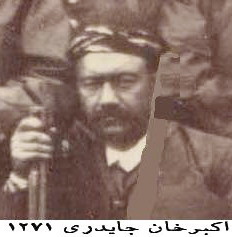 زينلخان (زينالعابدينخان)، ميرزا احمدخان، وليخان(كلبعليخان)، سليمانخان، اكبرخان، باباخان، فرهادخان، آزادخان، کریمخان و پاپيخان جايدری (10) اشاره نمود كه بعضاً مناصبی چون نايبالحكومهی جایدر، مسئپل تشریفات حاکم لرستان، كلانتر، تفنگدار يا دارای مشاغل دیگر در دستگاه حکام لرستان زمان افشاريه تا قاجاريه بودند.
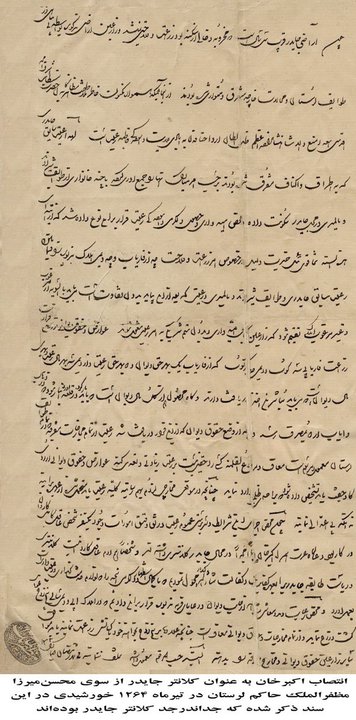
سال ۱۲۶۴ خورشیدی كه حكم كلانتری اكبرخان جايدری از طرف محسن ميرزا مظفرالملك (نايبالحکومه لرستان) تمديد شد، وی اقدام به تعمیر و مرمت قلعهی جايدر با نام مظفريه، مرمت بنای مقبرهي سيد نعمتالله جزایری و خط تلگرافخانهی جایدر نمود.
به احتمال زياد اين توجه ناشي از انعكاس گزارش فرستادهی ناصرالدينشاه به لرستان در سال ۱۲۶۲ بوده كه در بالا بخشي از يادداشتهاي نقل شد. سندی مربوط به سال ۱۲۶۳ موجود است كه ليست هزينههای مرمت قلعهي مظفريه را نمايان ميسازد.
در اواسط عصر ناصری، خوانين جايدر نظير اكبرخان، كلبعليخان(ولیخان)، قاسمخان، خانلرخان، نامدارخان و كريمخان تأمین امنيت جادهی خرمآباد به دزفول را بر عهده گرفتند.
اكبرخان تا زمان حيات، كلانتر جايدر و بزرگ اين طايفه بود. وی آبان ۱۲۸۳ وفات کرد و 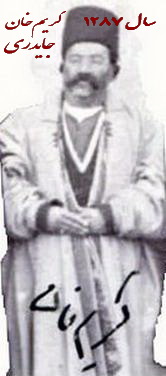 در بهشت هفتم قبرستان خضر خرمآباد (پايين جاده) به خاك سپرده شد.
پس از او، پسرش كريمخان جايدری جانشينش شد. كريمخان مدتها كلانتر و نايبالحكومهی جايدر بود و ۳ سال را نيز در ركاب غلامرضاخان مظفرالمكلك (فرزند محسن ميرزا) به عنوان کلانتر در حكومت همدان گذراند (از ۱۲۸۴ تا ۱۲۸۷). مقر حکومت کریمخان چَمقلعه واقع در ۸ كيلومتري پلدختر بود كه اين قلعه از سال ۱۳۸۶ جزو آثار ملي به ثبت رسيده است. همچنين قلعهی "چهار بُرجی" نيز از ديگر قلاع مورد استفادهي خوانين جايدر جهت تأمين امنيت منطقه بوده است.
با روي كار آمدن حكومت پهلوي و تختهقاپو نمودن عشاير و کم رنگ شدن نظام فئودالی، ميرزا كريمخان جايدری به عنوان مالك بخش اعظم جايدر و برخي املاك پدرياش در خرمآباد، در اين شهر و در منطقهی پُشتبازار روزگار گذراند.
وي ۲۸ بهمن ۱۳۲۲ بدرود حيات گفت و در مقبرهی خانوادگي فرزندان مهديخان جايدری واقع در بهشت هفتم آرامستان خضر خرمآباد(بخش شرقي جاده) به خاك سپرده شد. (مطابق شناسنامه وي به هنگام مرگ ۶۸ سال داشت ليك سن واقعي كريمخان حداقل ۱۰ سال بيش از اين بود، چرا كه افرادي كه سواد داشتند به هنگام اخذ شناسنامه در اوايل دوران پهلوي، سن خود را به خاطر شرايط سني مشاغل دولتي كمتر از سن واقعي نشان ميدادند.)
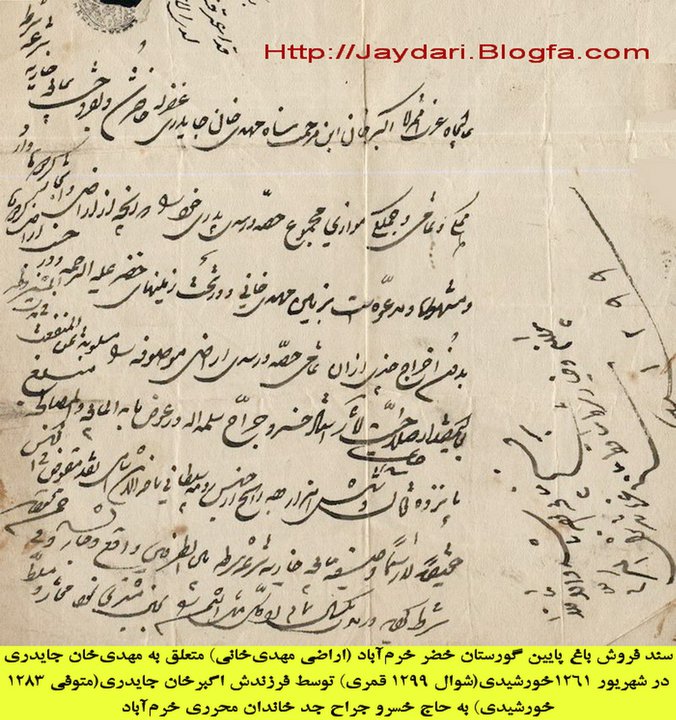
سند فروش باغ پايين گورستان خضر خرمآباد (اراضی مهديخاني) متعلق به مهدیخان جايدری در شهریور ۱۲۶۱خورشيدي(شوال ۱۲۹۹ قمري) توسط فرزندش اكبرخان جايدری به حاج خسرو جراح(جد خاندان محرری خرمآباد)
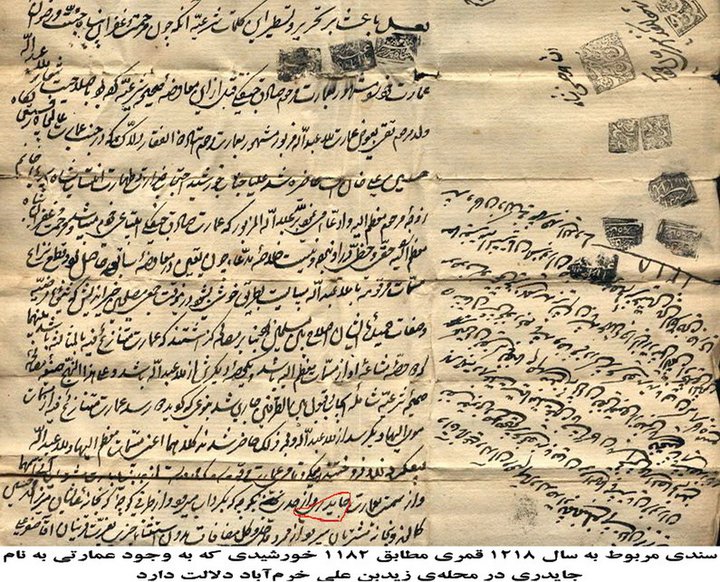
سندي مربوط به معامله ملكی در محله زيد ابن علی خرمآباد در سال ۱۱۸۲ خورشيدی مطابق با ۱۲۱۸ قمری كه در آن به عمارت جايدری و عمارت ميرزا محمدحسين كمالوند اشاره شده است. اين عمارت متعلق به بزرگ جايدریها در خرمآباد بوده است.
سكنه جايدر
سکنهی جايدر از اهالي اصيل لرستان به شمار ميروند. وجود افرادي چون مير نوروز(شاعر و سخنور شهير لرستانی) و شيخ عبدالرحمان جايدری(از انديشمندان شيعه مذهب) كه به عراق كوچ نمود، گوياي اين مدعاست، جایدر مهد بزرگانی در عرصهی دين و فرهنگ و ادب بوده است. (۱۱)
از اوايل قرن اخير، جايدر محل زندگي عدهاي از سادات (شاهرخي، كاظمي و موسوی) گرديد. علاوه بر اين، امروزه جايدر محل زندگي ايل جودكي (كه اکثر آنها دورهي حكومت محمدعليشاه از حدود قلعهنصیر وارد جايدر شدند)، عدهاي از دريكوندها، ميرها، ساكيها، سگوندها و رشنوها نيز هست.
بزرگان جايدر به دليل شغلي كه داشتند اکثراْ در خرمآباد زندگي ميکردند. آنها از آغاز حكومت افشاریه زمينهاي زراعي جايدر را به رعایای شیراوند، گاوكُش، حسنوند، كوليوند و يوسفوند اجاره داده و ساكن خرمآباد بودند. عامل فوق باعث شد ارتباط حسنه و نزديكی ميان خوانين جايدر و سران ايل حسنوند به وجود آيد و با همدیگر پيوند خويشی برقرار نمايند. به همين خاطر برخي از جايدريها با حسنوندها به الشتر رفته و آنجا ساكن شدند. سندي در دست است كه اشاره دارد در سال ۱۱۷۳ خورشیدی (اواخر دوره زنديه) پيرزادبيگ جايدری در سلسله ساكن شده است. امروزه خانوادههايي نيز با نامهاي خانوادگي جايدری و پيرزادی و زُمردی در الشتر ساكن هستند كه به احتمال زياد بازماندگان همين فرد باشند.
سرهنگ مُسیو چریکف روس، اوايل حكومت ناصرالدينشاه براي مدتي در لرستان حضور داشته و در باب سكنهي جايدر به تاريخ ديماه سال ۱۲۲۹ چنين آورده است: «مكان طايفه عمله (چون طوايف لرزبان ياغي نبودند و با دولتيها همكاری داشتند، از سوی طوايف لكزبان لرستان به آنها عنوان عمله که همان کارمند دولت است، اطلاق ميشد) ميشنان و ولم (؟) ميباشد. طايفهی عمله از قرار ذيل منقسم ميشوند: كمالوند كه از طايفهي خشكي(؟ شايد منظور كوشكي بوده) ميباشند و اشخاص معززي هستند. از آنها وزير و منشي پيدا ميشد...» (سياحتنامه مسيو چريكف، ترجمه: آبكار مسيحی به كوشش: علياصغر عمران، اميركبير ۱۳۷۹، ص ۱۱۳) وي همچنين در كتابش اشاره دارد: «قبيلهی عامله منقسم از طوايف زير است: چگنی، كوشكي، فراش، زيودار، كمالوند، پيرحياتی، شيراوند، كرمهي(نوكرمرا ؟)، قاطرچي، كرد الماسی، كودری، مُمصارم، حسن(؟)، سيكاوند و آمره(؟).» (همان، ص ۶۲)
سرهنگ چريكف به "مهدیخان جايدری" نيز در كتابش اشاره ميكند: «مهدیخان جايدری رييس طايفهی عمله ميباشد. طايفهی او كلاً متفرق شدهاند و باعث تفرقهی آنها اغتشاشاتي بود كه سابق روي داده است. (منظور وقايع ناشی از مرگ فتحعليشاه قاجار در روز پنجشنبه یکم آبان ۱۲۱۳ كه به شاهميري موسوم است و غارت جايدر در پاييز همان سال توسط سگوندها) سليمانخان سهامالدوله (نايبالحكومهی لرستان) مهديخان را حكم كرد كه طايفهي خود را جمع كرده و در جايدر ساكن شود، زيرا كه او را آدم معقولی میدانستند و هميشه خدمتگزار دولت بوده است...» (همان، ص ۱۱۹)
مهدیخان در دهه ۱۲۲۰ تا پايان دهه ۱۲۴۰ به تناوب با منصب كلانتري جايدر در دستگاه حكام قاجار به خدمت پرداخته و در تأمين امنيت اين خطه كوشيد. مهديخان جايدری (معروف به مهديخان كلانتر) دهه ۱۲۴۰ خورشيدی درگذشت. پيكرش توسط فرزندانش به عتبات عالیات منتقل و در آنجا به خاك سپرده شد.
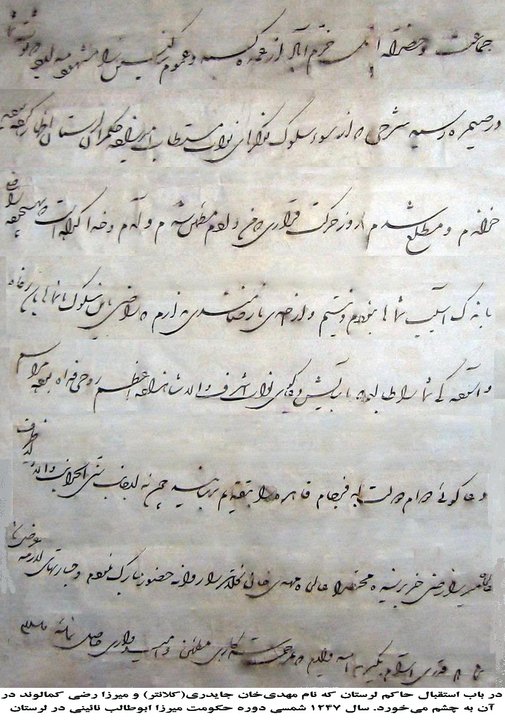
تصوير سندي در ارتباط با استقبال از شاهزاده عمادالدوله حاكم غرب ايران توسط ميرزا رضي كمالوند و مهديخان كلانتر مربوط به ۱۲۴۷ خورشيدي. پشت سند با مهر ميرزا ابوطالب نائينی نايبالحكومه لرستان ممهور شده است
علیبیگ پدر مهدیخان نیز عصر فتحعليشاه منصب کلانتر در منطقهی جایدر و منصب نایب ایشیک آقاسیباشی (معاون رییس تشریفات بیرون از دیوان حاکم لرستان) داشته است.
در احكام كلانتري اكبرخان و كريمخان جايدري قيد شده: «با توجه به اين كه (آبا عن جد) يعنی جد اندر جد كلانتر بودهاند» اين احكام به آنها تفويض گشته است. (سند زير:)
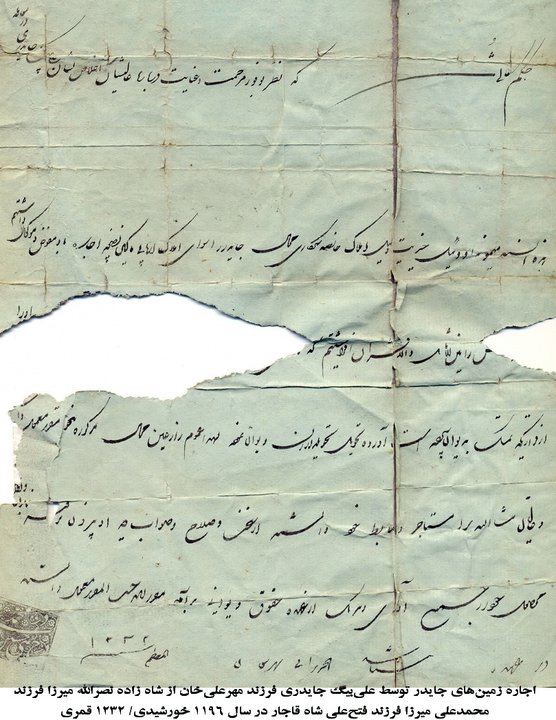
سندي مربوط به سال ۱۱۹۶ خورشیدی موجود است كه عليبيگ جايدري (فرزند رمضان)، اراضي خالصه سلطنتي در مُحال جايدر را از محمدحسين ميرزا حشمتالدوله فرزند محمدعليميرزا دولتشاه فرزند فتحعليشاه قاجار اجاره نموده است. (سند زير:)
همچنين چريكف در سیاحتنامهاش تشريحي جالب نيز از شهر و باغ جايدر دارد: «از جايدر تا آبگرم چهار فرسخ است. بين راه آثار توپخانه و مخروبات ده و عمارت ديده ميشود. اين جا چيز عجيبي به نظر ميرسد: مثل اين كه آثار و اوضاع خيلی بزرگی روي داده باشد... در فصل بهار جايدر از گل پوشيده است، خاصه از گل سفيد ... در جايدر كه سمت شمال است و چندان دور نيست، يك باغ وجود دارد كه درختهاي نارنج، ليمو، پرتقال و غيره دارد و اين باغ در وقت حكام پشتكوهي(واليان پشتكوه) بسيار خوب و آباد مانده، ليك بعد از آنها از بيمبالاتی و بيپرستاری، جميع اشجار مثمرهی آن خشك و ضايع گرديد.» (همان، صص 125_119)
از جايدريهاي سرشناس خرمآباد ميتوان به حاج جهانگير آزاديان (۱۳۲۶- ۱۲۴۴) از تجار اواخر دورهی قاجار و از نخستين مشروطهخواهان اين شهر اشاره نمود. (12) وي فرزند حاج آزادخان جايدری و سكينهخانم جزايری (دختر سیدحسن فرزند سیدصادق جزایری امام جمعه خرمآباد در دهه اول پادشاهی ناصرالدینشاه) و همسرش نيز هماخانم والیزاده فرزند مرحوم صادقخان والیزاده (برادر حاج سيفاللهخان و حبيباللهخان ديوانبيگی) بود.
فاطمه دختر حاج جهانگير، همسر حاجآقا ابوتراب جزايری (۱۳۲۵- ۱۲۵۲) از مراجع و روحانيون و سادات بنام خرمآباد بود. حاج آقا ابوتراب مدتها ترك ديار نموده و از خرمآباد عازم عتبات عاليات شد و به كسب فيض از محضر علماي بزرگ نجف پرداخت. حاج جهانگير در سفری كه به عثمانی (عراق) به منظور دفن كردن پيكر پدرش (حاج آزادخان) داشت، وي را ملاقات نمود و با خود به خرمآباد باز گرداند و دختر خود را به عقد ايشان درآورد.
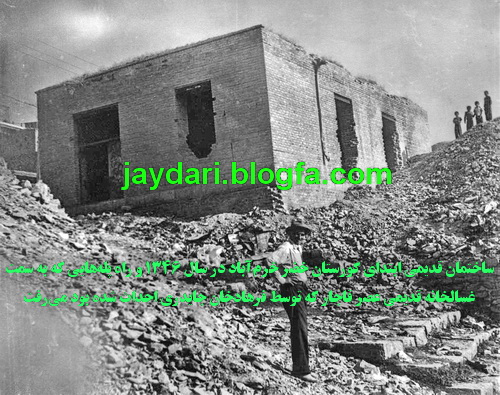
بناي اوليهی غسالخانهی قديمي شهر خرمآباد و مسجد ابتداي گورستان به دستور فرهادخان جايدری (عموی حاج جهانگير) در اواسط عصر قاجار صورت پذيرفت و پس از قتل فرهادخان در عمارت گلستان، فلکالافلاک، اين بناها توسط برادرش حاج آزادخان (پدر حاج جهانگير) تكميل شد.
ساختمان اين غسالخانه در شمال شرقی غسالخانهي دوم خرمآباد(ساخت ۱۳۴۹، تخريب ۱۳۸۹) قرار داشت و در دههي ۱۳۵۰ تخريب شد. (غسالخانه سوم خرمآباد تيرماه ۱۳۸۹ در گورستان صالحين افتتاح شد)
حاج آزادخان فرزند محمدميرزا خان جايدری، انسانی متدين بود و علاقه و ارادت خاصي به مولا علي(ع) داشت. او مدتي حاكم نقاطی از كرمانشاه بود. پس از مرگ، پيكرش مدتی به رسم امانت در گورستان خضر خرمآباد دفن شد و سپس در جوار مرقد مولايش علي(ع) در گورستان واديالسلام نجف به خاك سپرده شد.
جهانگيرخان غسالخانهي احداث شده توسط عمو و پدرش را به دو صورت مردانه و زنانه درآورد. وي در اواخر عمر نابينا شد و در تاريخ ۹ آذر ۱۳۲۶ درگذشت. پيكر او در صحن مسجدی که خودش در ابتدای گورستان خضر خرمآباد بنا نهاده بود به خاك سپرده شد. پس از تخریب اين مسجد جهت احداث جاده، مزار وی به جوار مقبرههای خاندان جزایری واقع در قسمت شرقی جاده، بهشت هفتم گورستان خضر خرمآباد انتقال یافت چرا كه مادر و دامادش از اين خاندان بودند.
حاج احمد آزاديان (۱۳۵۸- ۱۲۶۹) و حاج محمدحسين اعتمادی (۱۳۲۲- ۱۲۷۲) از تجار خرمآباد در دوران پهلوی، فرزندان حاج جهانگير آزاديان (جايدری) بودند.
همچنين محمدرحيمخان جايدري نيز حدود سال ۱۲۵۵ خورشيدي يك باب حمام در منطقهي پشتبازار خرمآباد احداث نمود (گرمابه مهرحيم/ حمام كوچك). در آن دوران ساختن حمام توسط افراد مؤمن و متمكن با هدف خدمت به مردم صورت ميپذيرفت و هيچگونه چشمداشت مادي در كار نبود.
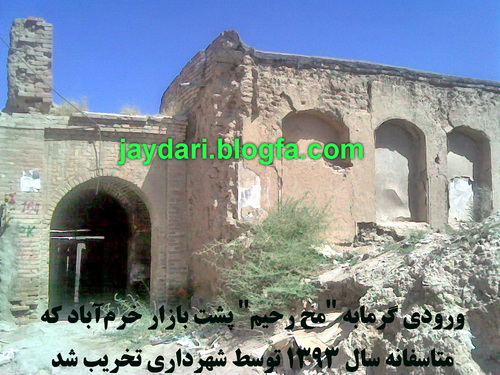
البته محمدرحيمخان نيز همچون فرهادخان سرنوشت شومی پيدا كرد و در اغتشاشات دهه ۱۲۵۰ به دستور شاهزادگان قاجار به قتل رسيد. از او يك پسر به نام محمدكريم بر جاي ماند كه فردي عيار و نيرومند بود. محمدكريم در سال ۱۲۸۴ خورشيدي درگذشت.
از محمدكريم فقط ۲ فرزند دختر برجاي ماند كه نام خانوادگي ايشان رحيمي بود. آقاي صحبتالله باقريان(كتابفروشي باقريان) نوادهی دختري محمدكريم است.

_____________________________________
پينويسها:
۱- به گفتهی آقاي فاضل جايدري فرزند مرحوم محمد جايدري كه قبلاً در شهر علی غربی استان مِیسان عراق زندگي نمودهاند و آقای حیدر زینالعابدينالموسوي از مهاجرین عراقي ساكن در خرمآباد، محلهاي در منطقه سبز بغداد به نام جادريه (جایدریه) وجود دارد. شاخهي جایدریهای پشتكوهي به چند دسته مشتق شده و برخي به عراق مهاجرت نمودند كه امروزه در استان ميسان (به مركزيت العماره)، استان نينوا (به مركزيت موصل) و شهر بغداد زندگي ميكنند. گروهي از اين شاخه نيز در زرينآباد پشتكوه، دهلران واقع در استان ايلام و نقاط مرزي ايران و عراق ساكن هستند.
۲- جايدریهای کنونی الشتر(خانوادههاي جايدري، پيرنيا و زمردي) به واسطهي ايجاد پيوندهاي خويشي اجدادشان با سران طايفه حسنوند به الشتر مهاجرت نمودهاند. بر اساس سندي مربوط به سال ۱۱۷۳ خورشيدي، بزرگ ايشان پيرزادبيگ جايدري بوده است.
بنا بر اظهارات آقاي صادق سيف، هنرمند لرستاني كه پدرش(كربلايي روحالله سيف) از بستگان نزديك مهرعليخان منظمي بوده، شاهزادهخانم مادر مهرعليخان، دختر زينلخان(زينالعابدينخان) جايدري است. آقاي سيفالله عادلي [فرزند نورالله فرزند عادلخان فرزند زينلخان فرزند فرهادخان فرزند محمدميرزاخان فرزند ميرزا احمدخان جايدري] كه تا ۱۴ سالگي نزد مرحوم حاج والي منظمي زندگي ميكرده، اين گفته را تأييد نمودند.
فرهادخان و آزادخان ۲ پسر محمدميرزاخان جايدري بودند. محمدميرزاخان و احمدميرزاخان نيز پسران ميرزا احمدخان جايدري بودند كه همسر وي از شاهزادگان قاجاريه بوده است. پسوند ميرزا لقبي بود كه به وابستگي نسبي قاجارها داده ميشد. بر همين اساس مهرعليخان اميرمنظم نيز از سوي مادر نسب به قاجار ميرسانيد. به احتمال زياد همسر ميرزا احمدخان جايدري، دختر محمدعليميرزا دولتشاه (پسر فتحعلي شاه و حاكم لرستان از ۱۱۸۷ تا ۱۲۰۱ خورشيدي) بوده است. دولتشاه كه فردي مصلح و نيكانديش بود، وصلتهايي با لرستانيان در زمان حكومتش در اين منطقه انجام داده است. يكي از همسران او جواهر خانم دختر كربلايي عوض زرينچقايي بوده است. يك دختر او به نام صفيهسلطان نيز همسر شهمرادخان پسر حسينخان ساكي بود. (تاريخ لرستان در زمان قاجار، محمدرضا واليزادهمعجزي، انتشارات حرفيه، ص ۳۰)
۳. اجداد اكثر تيرههاي قديمي ساكن در خرمآباد امروزي نظير دودمان گرگگير، سلاحورزي، قاضي و ... اواخر دوران حکومت صفوي تا دوران قاجار از مناطق جنوبي پشتكوه (ايلام)، شمال بختياري و بالاگريوه به خرمآباد مهاجرت كردند. نزديكي لهجهي لري خرمآبادي با مردم قديم اين مناطق جهت اثبات اين موضوع قابل تعمق و بررسي ميباشد.
۴. لرستانپژوهي، جلد ۳ و ۴، سيدفريد قاسمي، نشر شقايق، ۱۳۷۷ ص ۱۸۶
۵. سر هنري کروزویک راولينسون، سفرنامه راولينسون(گذر از زهاب به خوزستان)، ترجمهي سكندر اماناللهيبهاروند، (تهران: انتشارات آگاه، ۱۳۶۲)، صص ۷۰-۶۹.
۶. بارون كلمنت آگوستوس دوبُد، دو سفرنامه دربارهي لرستان، ترجمهي سكندر اماناللهيبهاروند و ليلي بختيار، (تهران: انتشارات بابك ۱۳۶۲)، صص ۱۵۰-۱۴۹.
۷. جغرافياي لرستان (پيشكوه و پشتكوه)، تأليف: فرستادهی ناصرالدينشاه به لرستان(ناشناس)، به کوشش: دکتر سكندر اماناللهيبهاروند، (اداره كل فرهنگ و ارشاد اسلامي لرستان ۱۳۷۰)، صص ۶۱-۶۰.
۸. بروجرد در دورهي قاجار دروازهي لرستان به حساب آمده و محدودهي لرستان(پيشكوه) از سمت شرق به بروجرد و از غرب به كوركوه محدود بوده است.
۹. لرستانپژوهي، جلد ۳ و ۴، تقی شهسواری و ناهيد خاكباز، نشر شقايق، ۱۳۷۷، ص ۲۲۸.
۱۰.jpg "پاپيخان جايدري") . پاپيخان ابن وليخان(كلبعليخان) ابن مهديخان ابن عليبيگ ابن رمضان ابن مهرعليخان ابن نوروز جايدري، پدر آقاي صادق جايدري ميباشد.
. پاپيخان ابن وليخان(كلبعليخان) ابن مهديخان ابن عليبيگ ابن رمضان ابن مهرعليخان ابن نوروز جايدري، پدر آقاي صادق جايدري ميباشد.
به گفتهی مرحوم حاج محمد تألهي و مرحوم حاج نصرتالله مير (مؤلف کتاب «تاریخ پانصد سالهی لرستان»)، شهريور ۱۳۰۴ كه عدهاي از سران عشاير لرستان توسط نظاميان در بروجرد اعدام شدند، پاپيخان جايدري و چند نفر از خوانین دیگر نيز جزو آنها بودند، اما با وساطت آيتالله بروجردي نزد امير لشكر حسینآقا خزاعي و تشريح اين كه ايشان از خوانين خدمتگزار لرستان بوده و طايفهاش هرگز ياغي نبودهاند، از اعدامش منصرف شده و وي را آزاد مينمايند.
مرحوم حاج شیخ علی تألهي والدهاش دختر مهديخان جايدري بود و خودش پسرعمهي پاپيخان به شمار ميرفت، وي این جريان را به محضر حاج آقا حسين بروجردي ميرساند و از او در اين خصوص تقاضاي وساطت ميكند. پاپيخان ۷ مرداد ۱۳۲۱ به سن ۶۱ سالگي درگذشت و در گورستان پلدختر به خاك سپرده شد.
۱۱. سايت شبكه امام رضا(ع):
آل الجادر (جايدر): من فروع آل عبدالرحمن احد فروع السادة الرفاعية الحسينية. و اللقب جاء من احد اجدادهم و هو الشيخ جايدر صاحب الطريقة الصوفية المشهورة و دفين السيدة نفيسة في منطقة(السرج خانه) من مناطق مدينة الموصل. علماً ان الشيخ جايدراً كان رجلاً عقيماً، و تيمّناً بكرامات هذا الرجل الصوفي أُطلق على اولاد إخوته و أقاربه لقب آل جايدر لإحياء ذكره. و عميدهم اليوم هو السيّد فاضل بن حميد بن محمد بن حافظ بن الياس بن خضر بن زكريا بن شيت بن حمو بن خلاّوي بن حاج بن إبراهيم بن بكر بن عسّاف بن عبدالرحمن صاحب اللقب.
۱۲. محمدرضا واليزادهمعجزي، تاريخ لرستان در زمان قاجار، (تهران:حروفيه، ۱۳۸۳)، صص ۵۵۸ و ۵۶۵. از ساير مشروطهخواهان خرمآباد ميتوان به حاج محمد كمالوند فرزند موسي، حاج حيدر حيدري فرزند آقا، حاج حيدر رزازي فرزند شنبه، حاج عبدالله زيودار فرزند صحرايي، حاج هاشم عتيقي فرزند عليمحمد، حاج شاكل رجبي (سلاحورزي) فرزند رجبعلي، حاج سيد محمد محمديان فرزند سيد عليمردان و حاج احمد اسكندري فرزند اسكندر اشاره نمود.
پژوهش: رضا جايدری

تفنگچيان جايدري و مظفرالملك حاكم لرستان - سال 1260
مهرماه ۱۲۶۰ شمال قلعه فلکالافلاک
حاج میرزامحسن مظفرالملک (نشسته) نایبالحکومه لرستان
در جمع تفنگچیان #جایدری به سرکردگی اکبرخان جایدری
منبع: آلبوم 399 کاخ گلستان
حاج میرزا محسنخان مظفرالملک از طرف شوهر خواهرش -مسعودمیرزا ظلالسلطان (فرزند ناصرالدینشاه)- دو مرتبه، يكي بین سالهای ۱۲۵۹ تا ۱۲۶۳ و بار دوم از 1264 تا 1267 خورشیدی نایبالحکومه لرستان بود. وی پس از ورود به لرستان اقدام به تقویت یا تشکیل نیروهایی در قالب فوجهای نظامی و قراسوران(ژاندارمری) و دستههای سواره نمود.
مهرماه ۱۲۶۰ این فوجها و دستهها (مثل امرایی، طولابی، سیلاخور و ...) را در محوطه شمالی قلعه فلکالافلاک و باغ گلستان جمعآوری و با آنها عکس گرفت که اکنون در آلبوم شماره ۳۹۹ کاخ گلستان تهران نگهداری میشوند
در عکس فوق میرزا محسن با لباس و شِنل سرتیپی عصر قاجار در جمع تفنگچیان جایدری دیده میشود که مأمور تامین امنیت بخشی از جاده «خرمآباد- دزفول» بودند.
سرکرده تفنگچیان جایدری، اکبرخان جایدری (فرزند مهدیخان کلانتر) بود. وی آبانماه ۱۲۸۳ درگذشت و در بهشت هفتم آرامستان خضر خرمآباد (پایین جاده) مدفون شد.
سپس پسرش کریمخان جایدری (وفات ۱۳۲۲ خورشيدي) در دستگاه غلامرضاخان مظفرالملک (فرزند میرزا محسن) با منصب کلانتر حضور داشت.
حاج میرزا محسن مظفرالملک فرزند میرزا عبداللطیف طسوجی (مترجم کتاب هزار و یک شب و معلم ناصرالدین شاه) بود.
میرزا محسن ابتدا لباس روحانیت میپوشید و تا مرز اجتهاد نیز در نجف تحصیل کرد اما بعدها، ظلالسلطان اجازه تغییر لباس او را از ناصرالدینشاه گرفت و وی را وارد امور حکومتی کرد
مظفرالملک حاکمی آبادگر بود و اکنون در خرمآباد یادگارهای بسیاری از دوران حکومت او باقی است.
تعمیر پل گَپ (صفوی) که به خاطر مرمت او مدتی به محسنیه مشهور شد، وادار کردن اهالی به ساخت منزل در شرق گلال و پل (محسنآباد/ شمال باغ دختران و بیمارستان شهید رحیمی کنونی)، سنگ کتیبه حوض موسی در کوی فلسطین و ... در زمان حکومت او صورت گرفت. وی سال ۱۲۷۹ درگذشت و در تهران مدفون شد.
پسرش غلامرضاخان مظفرالملک نیز ۱۳۴۰ وفات کرد و در قبرستان ظهیرالدوله تهران مدفون است. تنها دختر مرحوم غلامرضا مظفری به نام قمرتاج، همسر مرحوم کریمخان منظمی (سردار مظفر) شهردار اسبق خرمآباد در دهه ۲۰ است که از این ازدواج یک پسر و ۶ دختر بر جای ماند
Jayadr: A missing person in the history of Lorestan (a part of the history of Poledokhtar Lorestan)
For a long time, this question has occupied my mind that I am the survivor of who?! Where did they live? What was their job? What happened to them? And hundreds of other questions that may have occurred to you too...
The car is moving on the road from Andimeshk to Khorramabad and reaches the vicinity of Puldakhtar (Jaydar). I look at the scenery around the road with haste and curiosity. Alas, this trip is not with the purpose of this destination, and I have to take a cursory and superficial look at Jaydar Plain!
I get out of the car for a moment to ride the waves of history. A strange feeling ignites in me! My ancestors left this land, which was once a great city, several centuries ago. What was the reason for their migration?
Those who are now looking for a trace of the historical city of Jaidar, are now faced with a pile of dirt and there is no trace of its magnificent buildings and people. Once upon a time, my father's fathers used to spend every morning till night in this place, now I am learning a lesson for each other by the side of their legacy sitting on the ground!
Next to me are remnants of the lost history of Lorestan. The history of distant people whose civilization may not be as old as some of today's civilizations. Here is a gem lost in the pages of history that maybe less people know about its existence! A legacy whose sore heart wounds due to abandonment, in the heart of the back alleys sitting on the dirt, have joined the soil of oblivion.
In this ancient land, our father's legacies have changed many times, advanced or receded many times, and in every movement of time, a large part of this heritage has been destroyed and only a small part has been left as a memory for the future generations.
Jaydar, who is now one of these small inheritances, is now buried in the hearts of the people!
This place will share a hidden secret with you, the house that was built for security and now there is nothing left of security for it and it has been leveled to the ground.
I think to myself, if I don't try to keep a memory of these remaining ruins alive, maybe in a while, for those who will live in this world after us, there will be no name or sign of them!
It is sunset, the sun is going down. In the dark light of the air, you can see the ruins that are twisted together to shout something. It's as if Jaydar is sleeping peacefully and silently forever, hoping that one day someone will think of waking him up!
I take a deep breath and get into the car to leave the land of my ancestors towards Khorramabad - the hometown where several of my paternal ancestors were born and grew up, and I also have to seek my destiny in this city...
After an ominous event that led to the eternal silence of the city of Jayder, some of its inhabitants took the path of Iraq (Ottoman). (1) Some of them went to Khuzestan (Arabia) and during the Qajar era, some of them took shelter in the lap of Il Hassanvand, who spent the autumn and winter seasons in this region of Lorestan with good weather. (2)
At that time, when migration to lush Khorramabad was booming from Pashtkoh and Balageriveh regions, (3) my ancestors, together with another group, packed their burdens and emigrated from this region to find a new, beautiful and ancient home for them. The name of Khorramabad is a guide.
Of course, the migrations continued later, some of the inhabitants of this region went to other places such as Kermanshah and Pushtkoh (Ilam).
With an inquisitive look, I look for the ruins of the ancient city of Jaydar, perhaps it is the same Khaider or Khaidalu according to the Assyrian texts and inscriptions, which has changed its name over the years. Perhaps this is one of the reasons for naming this area.
Of course, it is possible that this name is derived from two words, place and door, as a place that was considered the entry door of a region. This place can be the gateway to Lorestan, Arabia (Khuzestan), Seymareh and Pushtkoh.
In the Lori dialect, this area is called Jaydar.
In the Bakhtiari dialect, Jaydar, which is similar to Jaydar, means chicken and grass, and it corresponds to the description of some tourists and travelers about the pleasant climate of Jaydar in the past ages.
Jaydar means spacious, that is, the land is wide and wide, and in a way it can also mean plain. (Tabar Achaemenid, Diyar Balageriveh, MuradHossein Papi, Volume 1, Aflak, p. 101)
Ibn Howqal, an Arab traveler and traveler, mentioned this region as "Jamedeh" in his travelogue thousands of years ago. (Ibn Hoqal's travel book, p. 120)
Some time before the complete destruction, Maman Mirnorouz was a famous Lorestan poet. He was one of the survivors of ShahverdiKhan, the last chamberlain of Lor Kochak. Some time before the destruction and deterioration of this region, Mir left Jaydar in pursuit of his lover and went to Dehloran to seek his destiny and sings:
Mirnorooz, you are not in your place,
but in another place
(Divan Mirnorooz, edited by: Esfandiar Ghazanfari-Amraei, Khorramabad: Danesh Printing House 1347, p. 65)
Mirza Mohammad Mehdi Astrabadi, the secretary of Nader Shah Afshar, mentions the events of the lunar year 1143 equal to the solar year 1110 in the book "Jahangashai Naderi" as follows:
...[Rare forces] across the road from the provinces of Kahegiluyeh and Alvar Bakhtiari and Fili and the Arabs of Howeizeh and the rest of the tribes, wherever they were corrupt and opposed, were assigned to punishment and politics, and rulers were assigned to all the provinces, from the way of Jaydar and Khorramabad Feili entered Borujerd. (The History of Jahangoshaye Naderi, Mirza Mohammad Mahdi Estrabadi, Dunyai Ketab, p. 137)
In his other book, "Naderi Period", Estrabadi also points out that two years later, i.e. 1112 AD, Mohammad Khan Baloch was in the house of "Jaydar Feili" when the rumor of Nader Shah's defeat in the siege of Baghdad reached him and he learned about the rebellion against Nader. raised up
The writings of Mirza Mahdi Estrabadi and the poems of Mirnorooz, who lived at the time of the last Safavid king, show that this region was also known as Jaydar at that time.
MahmoodMirza Qajar (1238-1178 AD), the fifteenth son of Fath Ali Shah, who was the ruler of Lorestan from 1205 to 1207 and traveled here, described Jaydar in his travelogue titled "Maqsood Jahan" as follows:
"I left from Sadmara (Seymareh) to Jaydar. Jaydar is a desert, four miles long and one and a half miles wide. Its climate is moderate, its water is good, and its land is green. There used to be a huge city in this property. It is said that one of the poets, in the state of Baitullah's decision, fell off his path and stopped at Jaydar and said this ode:
The stone turns into an emerald in the spring of Jaydar,
the water of Kashkan, Salisbyli, next to Jaydar (4)
MahmoudMirza in his other work called "Ahed Hosam" mentions the events of 1209 A.D. on page 20: "We entered Jaydar from the house of Rameshgahan (Rumeshkan). Jaydar desert is very famous in Lorestan for its moderate weather. It is not far from being better than most places in Lorestan."
On page 170 of the same book, he adds:
"Jaydar is the best place in Lorestan. Because of the abundance of flowers and tulips, it is not fair, and there were traces of a garden, a city, and a caravanserai in it, and now there is still a bridge in it, which is known as the Girl's Bridge.
Sir Henry Rawlinson (1810-1895), an English tourist and consultant, described this area as follows during his trip to Jaydar region in early March 1215:
"In spring, Jaydar plain is covered with greens and all kinds of flowers and it is like heaven. This area is cultivated by 300 peasant families, and in addition to this, there is a Qeshlaq of the Hassanvand clan... In this place, there are bridge works [which] in terms of grandeur, I have not seen anywhere else in Iran. (5)"
Baron Dobod, a Russian tourist, in his trip to Jaydar in February 1219, described this area as follows: "... we went down to the Jaydar plain at eleven o'clock. The landscape of the areas under our feet was really spectacular. Jaydar meadow is irrigated by the Keshkan river that passes through the mountains... At 11:45 we passed the ruins that are said to be the original site of Jaydar city... Then we entered the vast Jaydar meadow where ruins can be seen in every corner. So far, I have passed the route that Major Rawlinson took from Jaydar to Roza Fort on his way from Zahab to Dezful, but from here onwards begins an unknown land, which, with the exception of Khorramabad, has not been written about as far as I know. . (6)
It's not bad to know that today, from the ruins of that city that Mahmood Mirza and Barun Dobod visited, a few remains remain near the village of "Sarab Hamam".
One of the envoys of Naser al-Din Shah, who was in charge of preparing a report on the situation in Lorestan (Pishkoh) in 1262 AH, said: "The area of Jaydar is 25 farsakhs long and wide, and it is surrounded by mountains. One month left to the end of the year and the spring season is full of spirit and green... The weather is very pleasant and the Kashkan River, which is one of the best waters in Lorestan, passes by it. Formerly, there was a tribe there [who] had [the name] Jaydari and they had serfs. At the time of the death of Khaqan Maghfur (Fath Ali Shah Qajar) Eilat Segund, they looted the tribe. The common people are completely gone and ruined. One of the places where the construction of a castle is important is this Jaydar page... If a place is built that gives hope and confidence to the subjects, the clans that have been scattered will return very soon and it will be settled like Seymare... The signs and signs of the castles There are many big and small in this valley. It is known that it used to have many inhabitants... (7)
In a manuscript written in July 1295 AD by Mirza Rahim Khan Chagarund (Moin al-Saltaneh) in connection with the geography of Lorestan, it is stated: "The ancient cities of Lorestan, all of which have their remains, are according to the following names:... It is known as Jaydar, and it is the place of Qeshlaq of the Hassanvand clan..." (Lorestanology Journal of Shaghayegh, No. 3 and 4, Autumn and Winter 2016, page 180)
In other historical books and travelogues from the end of the Safavid era to the end of the Qajar era, this region and its pleasant climate have been mentioned many times, and its pristine and beautiful nature is still there, such as the beautiful seasonal wetlands, the Kalmakare cave, etc. startles
MasoudMirza Zellu-Sultan, the son of Naseruddin Shah Qajar, who was appointed to rule the western region of the country in 1259 AD, refers to Jaydar and the decline of prosperity in this region during his rule: "Once these blocks that I write [including] Dehat Abad and valid blocks There were, but due to successive wars and extreme disorders, they have been completely depopulated, and only a few of them remain, such as Khave block, Al-Shadr block, Jaydar block, and Simrah block. ). (The history of Masoudi, Masoud Mirza Zal-ul-Stan, lithography, publisher: Dunyai Kitab, 1362, p. 282.)
It appears from the writings of travelers and travelers that after Islam until the end of the Safavid era, Jaydar and Khorramabad (Shapoorkhasat) were two places in Lorestan where there were residential buildings, and until the beginning of the Pahlavi period, other inhabitants of the current Lorestan area, due to the texture Ili and nomadic people lived in a tent. (8)
Jaydar, the lost land!
The destruction of the remains of the small city of Jaydar, considering the destruction of the remains of the large and ancient city of Shapoorkhashat (located in the southwest of present-day Khorramabad) and the reasons for it remaining hidden, do not seem so strange. By examining the history of Lorestan during the reign of Atabakan and Governors, we find that Lorestan at that time either lacked historians who could record the events of their time, or if there was a written work in this field, it was lost in the passage of time.
Today, some mistakenly consider the old name of this area as Poledokhtar, while the first buildings of the current city of Poldakhtar were built in 1308 AD near the ancient city of Jaydar. Poldakhter was built in a village called "Dolabchi" and the natives called this area "Papol" (foot of the bridge). Of course, the boundaries and extent of the Jaydar region during the Qajar era was more than its modern concept.
Today's Jaydar is a vast and fertile plain that is bounded from the northeast by Poledokhtar, from the north by the villages of Cham Qalaa, Cham GholamAli and Tape Mahorhaye overlooking the Kashkan River, from the west and south by Mount Chol, and from the east by the village of Sarab Jahangir and Zaliav Hill. Apart from these settlements, Sarab Hamam (Darvish, Mamivand, Anaru), Tatarabad (Islamabad), Rahimabad, Reshnu and Bagh Jaydar are located in this plain. (9)
The tomb of Seyyed Numatullah Jazairi, one of the great Shia authorities, is located in Jayder. Mirza Abdul Latif Khan Shushtri mentioned the event of the death of Seyyed Nematullah Jazairi: "He went on the 22nd of Shawwal 1112 AH (corresponding to 22 Azar 1089 AH) when he was trapped in the Tawaf of Mashhad by Motahar Razavi. After attaining that great happiness, on returning to Jaydar's house from the actions of the elephant, he rushed from this borrowed house to Riaz Rizvan..." (Tehft al-Alam, Mirza Abdul Latif Khan Shoushtari, Golshan Publishing, 1363, p. 105)
According to the inscriptions, the name of Jaydar was about a thousand years old (from Jamdeh Ibn Hawqal to the era of Reza Shah Pahlavi, which changed its name like many other places in the country). During RezaKhan's reign, with the construction of the KhorramAbad to Dezful highway and the development of residential construction around the village of Dulabchi, the name of Puldokhtar was replaced by Jaydar, and the area of this section was later changed to Malawi.
Today, only the remaining area of Jaydar's famous Narenjestan named Bagh Jaydar and a small village from it remain. The last sources that have mentioned Jaydar's name from this area are the Pishkoh military geography book written by Lieutenant General Ali Razmara and the national publications published until 1320, such as the information newspaper.
Jaydari clan
The Jaydari clan has been in the service of the rulers of Lorestan since the Afshariya era, and until the beginning of the Pahlavi rule, they have always participated in the security of Lorestan, especially the Khorramabad-Dezful road.
According to the surviving documents, from the beginning of the Qajar era, the elders and the elders of Jaydar have re-entered the service of the government. Among them, we can mention Alibeyg, MohammadKhan, MehdiKhan, MohammadMirzaKhan, AhmadMirzaKhan, AkbarKhan Jaydri ZeinalKhan (ZeinAlAbedin Khan), Mirza AhmadKhan, WaliKhan (KalbAli Khan), SuleimanKhan, AkbarKhan, BabaKhan, FarhadKhan, AzadKhan, KarimKhan and PapiKhan Jaydari (10) who sometimes There were positions such as Jaydar's vice-government, Lorestan Sheriff, and Jaydar, a gunner or had other jobs in the Lorestan Jagham system from the Afshariya period to the Qajar period.
In the year 1264, when AkbarKhan Jaydari's sheriff's rule was extended by Mirza Mohsen MuzaffarulMolk (Viceroy of Lorestan), he repaired and restored the Jaydar Castle with the name of Mozafariyeh, restored the mausoleum of Seyyed Nematullah Jazayeri and the Jaydar telegraph line.
Most likely, this attention is due to the reflection of the report sent by Naser al-Din Shah to Lorestan in 1262, which is a part of the notes quoted above. There is a document from the year 1263 that shows the list of costs for the restoration of Mozaffarih Castle.
In the middle of the Nasrid era, Khavanein Jaydar Nazeer AkbarKhan, KalbAli Khan (WaliKhan), QasemKhan, KhanlarKhan, NamdarKhan and KarimKhan took over the security of the Khorram Abad to Dezful road.
Akbar Khan was Jaydar Sheriff and elder of this clan until his lifetime. He died in November 1283 and Karim Khan Jaidrid was buried in the seventh heaven of Khizr Khorramabad cemetery (at the bottom of the road).
After him, his son Karim Khan Jayderi succeeded him. Karim Khan was the Sheriff and Vice-Governor of Jaydar for a long time, and spent 3 years under Gholamreza Khan Muzaffarul-Muklak (son of Mohsen Mirza) as the Sheriff in Hamadan government (from 1284 to 1287). The seat of KarimKhan's government was Cham Qala, located 8 kilometers from Poldakhtar, which has been registered as a national monument since 2006. Also, the "Four Towers" castle was also used by Khanin Jaydar to ensure the security of the region.
With the establishment of the Pahlavi government and the suppression of the nomads and the fading of the feudal system, Mirza Karim Khan Jayderi spent his time as the owner of most of Jayder and some of his father's properties in Khorramabad, in this city and in the Pushtbazar area.
He died on 28 Bahman 1322 and was buried in the family tomb of Mahdi Khan Jaydari's children, located in the seventh Behesht of Khizr Khorramabad cemetery (eastern part of the road). (According to his birth certificate, he was 68 years old at the time of his death, but KarimKhan's real age was at least 10 years older than this, because educated people, when obtaining birth certificates in the early Pahlavi era, declared their age to be less than the actual age due to the age conditions of government jobs. They were showing.)
Jaydar's residence
The inhabitants of Jaydar are among the original people of Lorestan. The presence of people such as Mir Norouz (poet and orator of Lorestan city) and Sheikh Abdurrahman Jaydari (one of the Shia religious thinkers) who moved to Iraq, is proof of this claim, the place has been the cradle of great people in the field of religion, culture and literature. (11)
Since the beginning of the last century, Jaydar became the residence of some Sadats (Shahrokhi, Kazemi and Mousavi). In addition, nowadays, Jaydar is the place of life of Il Jodki (most of whom entered Jaydar during the reign of Mohammad Ali Shah from the vicinity of Qala Nasir), there are also a number of Derikunds, Mirs, Sakis, Segunds and Reshnu.
Jaydar's elders mostly lived in Khorramabad due to their jobs. Since the beginning of the Afshariya regime, they leased Jaydar agricultural lands to the subjects of Shiravand, Gawkosh, Hasanvand, Kulivand and Yusufvand and were residents of Khorramabad. The above factor made a good and close relationship between Khavanein Jaydar and Saran Il Hassanvand and they established a close bond with each other. Because of this, some of the Jayderis went to Al-Shatar with the Hassanvands and settled there. There is a document that indicates that in 1173 solar year (the end of the Zandiye period), PirzadBeyg Jaydari lived in the dynasty. Today, there are also families with the surnames of Jaydari, Pirzadi and Zomorodi living in AleShtar, who are most likely the survivors of this person.
Colonel Monsieur Cherikov of Russia was present in Lorestan for some time at the beginning of Naser al-Din Shah's reign, and he mentioned the following about Jaydar's settlement in January 1229: "The location of the Amale clan (because the Lorzaban clans were not rebels and cooperated with the government, was transferred from the Lakzaban clans of Lorestan to They were called government staff) Mishnan and Velm (?). The Amele tribe is divided as follows: Kamalvand, who are from the dry tribe (maybe it means Koushki) and are respectable people. From them, a minister and a secretary were found..." (Monsieur Chirikov's travelogue, translation: Abkar Masihi Be Kushesh: AliAsghar Omran, AmirKabir 1379, p. 113) He also mentions in his book: "The Amaleh tribe is divided into the following clans: Chegeni, Koushki, Farash, Zivdar, Kamalvand, Pirhayati, Shiravand, Karamhi (Nokeramera?), Qaterchi, Kurd Almasi, Kudri, Momsarem, Hassan(?), Sikavand and Amre(?). (Ibid., p. 62)
Colonel Chirikov also mentions "MehdiKhan Jaydari" in his book: "MehdiKhan Jaydari is the head of the Akame clan. His clan has been completely dispersed and the reason for their division was the riots that happened in the past. (referring to the events caused by the death of FathAli Shah Qajar on Thursday, November 1, 1213, which is known as Shah Miri, and the sacking of Jayder by the Segunds in the fall of the same year) SuleimanKhan Saham al-Dowleh (the viceroy of Lorestan) ordered MahdiKhan to gather his tribe and live in Jaydar because they considered him a reasonable person and he has always been a servant of the government..." (ibid., p. 119)
Colonel Chirikov also mentions "Mehdi Khan Jaidari" in his book: "MehdiKhan Jaydari is the head of the Akame clan. His clan has been completely dispersed and the reason for their division was the riots that happened in the past. (referring to the events caused by the death of Fath Ali Shah Qajar on Thursday, November 1, 1213, which is known as Shah Miri, and the sacking of Jayder by the Segunds in the fall of the same year) Suleiman Khan Saham al-Dawlah (the viceroy of Lorestan) ordered Mahdi Khan to gather his tribe and live in Jaydar because they considered him a reasonable person and he has always been a servant of the government..." (ibid., p. 119)
Liebig, MehdiKhan's father, also held the position of sheriff in Jaydar region during the era of Fath Ali Shah and the position of Ishik Aghasibashi's deputy (deputy head of ceremonies outside the ruling court of Lorestan).
In the orders of AkbarKhan and KarimKhan Jaydari police station, it is written: "In view of the fact that they were (fathers and grandfathers) i.e. great-grandfathers" these orders have been assigned to them.
Also, Chirikov has an interesting description of Jaydar city and garden in his travel book: "It is four farsakhs from Jaydar to the spa. On the way, you can see artillery works and the ruins of ten houses and mansions. Something seems strange here: as if very great works and situations have happened... In the spring, Jaydar is covered with flowers, especially white flowers... In Jaydar, which is on the north side and is not far away, a There is a garden with orange trees, lemons, oranges, etc., and this garden was very well maintained during the time of the rulers of Pashtkohi, but after them, due to carelessness and lack of care, all its fruitful trees dried up and wasted." (Ibid., pp. 119-125)
Among the famous Jaidris of Khorramabad, we can mention Haji Jahangir Azadiyan (1326-1244), one of the merchants of the late Qajar period and one of the first constitutionalists of this city. (12) He was the son of Haji Azad Khan Jaydari and Sakine Khanom Jazayeri (daughter of Seyyed Hasan, son of Seyyed Sadeq Jazayeri, Imam of Khorramabad in the first decade of Naser al-Din Shah's reign) and his wife was also Homakhanom Walizadeh, son of the late Sadeq Khan Walizadeh (brother of Haj SeifullahKhan and HabibollahKhan Divan Beigi).
Fatemeh was the daughter of Haj Jahangir, the wife of Haj Agha AbuTorab Jazayeri (1325-1252), one of the clerics, clerics, and Sadat named Khorramabad. Haj Agha Abu Torab left the country for a long time and went from Khorramabad to the shrines of the nobles and began to earn favors from the presence of the great scholars of Najaf. Haj Jahangir met him during his trip to Osmani (Iraq) to bury the body of his father (Haj Azad Khan) and brought him back to Khorramabad and married his daughter.
The first building of the old washhouse of Khorramabad city and the mosque at the beginning of the cemetery was done by the order of Farhad Khan Jaydari (uncle of Haj Jahangir) in the middle of the Qajar era, and after his murder in the Golestan mansion, these buildings were completed by his brother Haj Azad Khan (father of Haj Jahangir).
The building of this wash house was located in the northeast of the second wash house of Khorramabad (built in 1349, destroyed in 1389) and was destroyed in the 1350s. (The third laundromat of Khorramabad was opened in Salehin Cemetery in July 2009)
Haji Azad Khan, the son of MohammadMirza Khan Jaydari, was a pious person and had a special interest and devotion to Mullah Ali (AS). He was the ruler of parts of Kermanshah for a while. After his death, his body was buried for a while in Khizr Khorramabad cemetery and then buried next to Molaish Ali's shrine in Wadi al-Salam cemetery in Najaf.
JahangirKhan made the washhouse built by his uncle and father into both men's and women's. He became blind at the end of his life and died on December 9, 1326. His body was buried in the courtyard of the mosque that he had built at the beginning of Khizr Khorramabad cemetery. After the destruction of this mosque for the construction of the road, his grave was moved to the tombs of the Jazayeri family located in the eastern part of the road, the seventh heaven of Khizr Khorramabad cemetery, because his mother and son-in-law were from this family.
Haj Ahmad Azadian (1269-1358) and Haj MohammadHossein Etemadi (1322-1272) were the sons of Haj Jahangir Azadian (Jaidari), merchants of Khorramabad during the Pahlavi period.
Also, around 1255 Khurshidi, Mohammad RahimKhan Jaydari built a bathhouse in the Pushtbazar area of Khorramabad (Mahrahim Hot Spring / Small Bath). At that time, the construction of baths was done by faithful and capable people with the aim of serving the people, and there were no material expectations involved.
Of course, like FarhadKhan, Mohammad RahimKhan met a terrible fate and was killed by the order of the Qajar princes during the disturbances of the 1250s. He left behind a son named MohammadKarim, who was a worthy and strong person. MohammadKarim died in 1284 Khurshidi.
MohammadKarim left only 2 daughters whose family name was Rahimi. Mr. Sohbatullah Bagharian (Bookstore Bagharian) is the grandson of MohammadKarim's daughter.
 * امروز به اين عشق گردآوري ميكنم و مينويسم كه شايد روزي اين نوشتهها به كار كسي آيند، چنان كه نوشتههاي پيشينیان، شوقي در وجودم فكند و شعلهاي در دلم افروخت....